
Fuel Your Performance: Athletic Nutrition Essentials
Master the science of proper nutrition to enhance endurance, strength, and recovery
Key Nutrition Metrics for Athletes
Daily Carbohydrate Intake
Percentage of total calories for optimal energy and endurance performance
Protein Per Kilogram
Recommended daily protein intake per body weight for muscle development
Healthy Fats
Percentage of daily calories from omega-3 and unsaturated sources
Daily Hydration
Minimum water intake for optimal athletic performance and recovery
Macronutrient Balance for Peak Performance
Understanding the correct balance of carbohydrates, proteins, and fats is fundamental to athletic success. Carbohydrates provide rapid energy for high-intensity activities, proteins support muscle repair and growth after training, and healthy fats regulate hormone production and reduce inflammation.
Elite athletes at Nutrient Balance Core follow individualised macronutrient ratios based on their sport, training phase, and personal metabolism. Whether you're training for endurance events, strength competitions, or team sports, we guide you through the science of proper fueling.
Evidence-Based Ratios
Scientifically-backed macronutrient percentages tailored to your sport
Timing Optimization
Strategic nutrient timing around training sessions for maximum benefit
Performance Monitoring
Track how nutrition adjustments affect energy, endurance, and strength
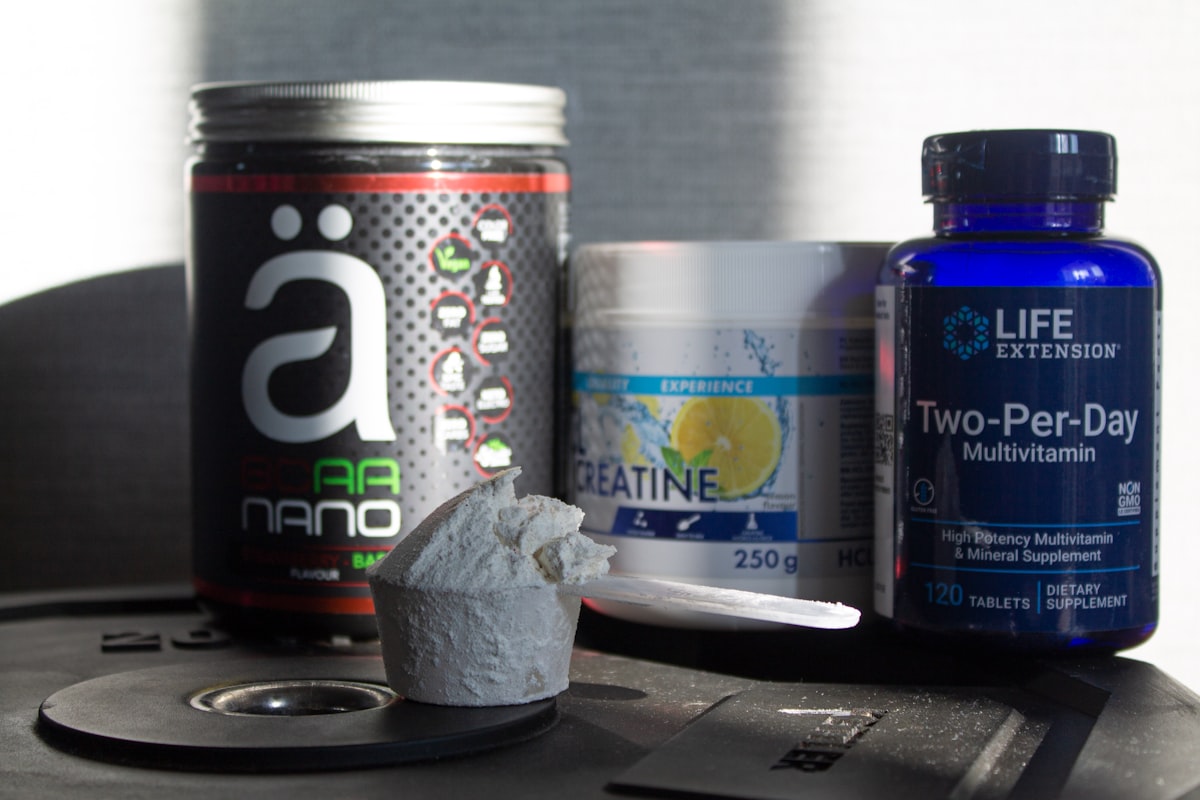
Essential Nutrients Every Athlete Needs
Carbohydrates
Complex carbohydrates provide sustained energy for endurance activities and fuel high-intensity interval training. Choose whole grains, oats, sweet potatoes, and legumes to maintain stable blood sugar levels throughout your workouts.
- Brown rice and quinoa
- Fruits and berries
- Root vegetables
Proteins
Essential amino acids in protein repair muscle tissue damaged during training and support the development of new muscle fibres. Distribute protein intake evenly throughout the day for optimal muscle protein synthesis.
- Lean poultry and fish
- Eggs and dairy
- Plant-based legumes
Healthy Fats
Unsaturated fats support hormone production, reduce exercise-induced inflammation, and improve nutrient absorption. Omega-3 fatty acids specifically enhance cardiovascular function and joint health for endurance athletes.
- Fatty fish and seafood
- Nuts and seeds
- Olive and avocado oil
Hydration
Proper hydration is critical for thermoregulation, nutrient transport, and waste removal. Dehydration as little as 2% of body weight impairs performance, concentration, and endurance capacity. Drink consistently before, during, and after exercise.
- Water as primary source
- Electrolyte balance
- Sport beverages for long events
Micronutrients
Vitamins and minerals support energy production, immune function, and bone health. Iron carries oxygen in blood, calcium strengthens bones, and antioxidants reduce exercise-induced inflammation and support recovery processes.
- Iron-rich vegetables
- Dairy for calcium
- Colourful fruits and vegetables
Fibre and Phytonutrients
Dietary fibre supports digestive health and stable blood sugar, while plant compounds provide anti-inflammatory and antioxidant benefits. These nutrients enhance overall health and support the body's natural recovery mechanisms after intense training.
- Whole grains
- Dark leafy greens
- Berries and vegetables
5-Step Pre-Competition Nutrition Plan
Three Days Before Competition
Begin reducing fibre intake and high-fat foods to minimise digestive activity. Maintain normal carbohydrate intake while staying well hydrated. Start monitoring sodium consumption for optimal fluid retention and electrolyte balance during the event.
Two Days Before
Increase carbohydrate intake to 10-12g per kilogram of body weight to maximise muscle glycogen storage. Choose low-fibre carbohydrates like white rice, pasta, and white bread. Maintain consistent protein intake and increase hydration steadily.
Day Before Competition
Reduce fibre to a minimum and avoid high-fat foods. Continue carbohydrate loading with moderate portions spread throughout the day. Drink fluids containing sodium to help retain water and maintain optimal hydration status overnight.
Morning of Competition
Consume a familiar, easily digestible meal 3-4 hours before the event. Include moderate carbohydrates, low fat, and low fibre. Examples: toast with honey, porridge, or rice cakes. Drink 400-600ml of fluid containing carbohydrates and electrolytes 2-3 hours before starting.
During and After Competition
For events lasting over 90 minutes, consume 30-60g carbohydrates per hour through sports drinks or gels. Immediately after finishing, consume a meal with carbohydrates and protein within 30-60 minutes to support recovery and muscle repair.

Common Athletic Nutrition Questions
Most athletes require 2-3 litres of water daily, but this varies based on body size, training intensity, and climate. A practical approach is to drink to thirst and monitor urine colour—pale yellow indicates good hydration. During training, drink 150-250ml every 15-20 minutes for events lasting over one hour. Consider using weight-based calculations: drink approximately 35ml per kilogram of body weight daily, plus additional fluids lost during exercise.
Research shows that consuming protein within 1-2 hours after resistance training optimises muscle protein synthesis. However, total daily protein intake is more important than timing. Distribute protein evenly across 4-5 meals (20-40g per meal) throughout the day for continuous muscle repair. Pre-training protein (1-2 hours before) reduces muscle breakdown during the workout, while post-training protein combined with carbohydrates maximises recovery.
Training fasted (without prior food intake) can impair performance, endurance, and strength output, particularly for high-intensity activities. Your muscles rely on glycogen stores that diminish overnight. Consuming 30-60g of easily digestible carbohydrates 30-60 minutes before early morning sessions significantly improves performance. However, very light activity or active recovery can occur safely without prior nutrition if followed by adequate post-workout fueling.
Double training days demand strategic nutrition timing. After the first session, consume carbohydrates and protein immediately (within 30-60 minutes) to begin glycogen replenishment. Eat a balanced meal 3-4 hours before the second session containing carbohydrates, moderate protein, and minimal fat. Between sessions, consume frequent small snacks to maintain energy: fruit with nut butter, Greek yogurt with granola, or a sandwich. Ensure total daily calories and macronutrients support both workouts.
Pack non-perishable nutrient-dense foods: energy bars, dried fruit, nuts, nut butter packets, and electrolyte tablets. Research restaurant options at your destination beforehand, focusing on places offering grilled proteins, whole grains, and vegetables. Stay hydrated with a reusable water bottle. Account for timezone changes when planning meal timing. Bring supplements or familiar foods if you have specific dietary needs. Two days before competition, reduce new or unfamiliar foods to avoid digestive issues.
Yes, sport-specific nutrition varies significantly. Endurance athletes (cycling, marathon) require higher carbohydrate intake (8-12g/kg daily) for fuel. Strength athletes prioritise protein (1.6-2.2g/kg) for muscle building. Team sport athletes need balanced macronutrients with strategic carbohydrate timing around intermittent high-intensity efforts. Individual sports may allow more structured meal timing, while team sports require portable snacks. Body composition goals also differ—sprinters might prioritise power-to-weight ratio, while throwers may build more muscle mass.
Success Stories from Elite Athletes
"Following Nutrient Balance Core's nutrition plan transformed my 10k times. By understanding my macronutrient needs and fueling correctly before and after training, I improved my endurance significantly. The carbohydrate loading strategy made a huge difference on race day."
Sarah Mitchell
Distance Runner, Manchester
"As a weightlifter, the protein timing and distribution guidance was crucial. I gained lean muscle mass while improving my lifts. Learning how to fuel my body properly between sessions and post-workout nutrition made an incredible difference in my strength gains."
James Anderson
Strength Athlete, Leeds
"Nutrientbalancecore transformed my health completely. Within just three weeks, I noticed a significant improvement in my energy levels and overall well-being. The science-backed formulations really work!"
Sarah Mitchell
Verified Customer
"As a fitness enthusiast, I'm very particular about supplements. Nutrientbalancecore delivers premium quality with transparent ingredients. Highly recommend to anyone serious about their health goals."
James Rodriguez
Verified Customer
"I've tried many supplement brands, but Nutrientbalancecore stands out. The customer service is exceptional, and the results speak for themselves. I'm a customer for life!"
Emma Thompson
Verified Customer
Frequently Asked Questions
Find answers to common questions about Nutrientbalancecore products
Ready to Transform Your Health?
Join thousands of satisfied customers who have already experienced the Nutrientbalancecore difference. Start your journey to optimal health and vitality today.
60-Day Money-Back Guarantee | Free Shipping on Orders Over $50