
Transform Your Athletic Performance Through Proper Nutrition
Discover evidence-based nutritional strategies designed specifically for athletes. Learn how to fuel your body for peak performance, faster recovery, and long-term athletic excellence.
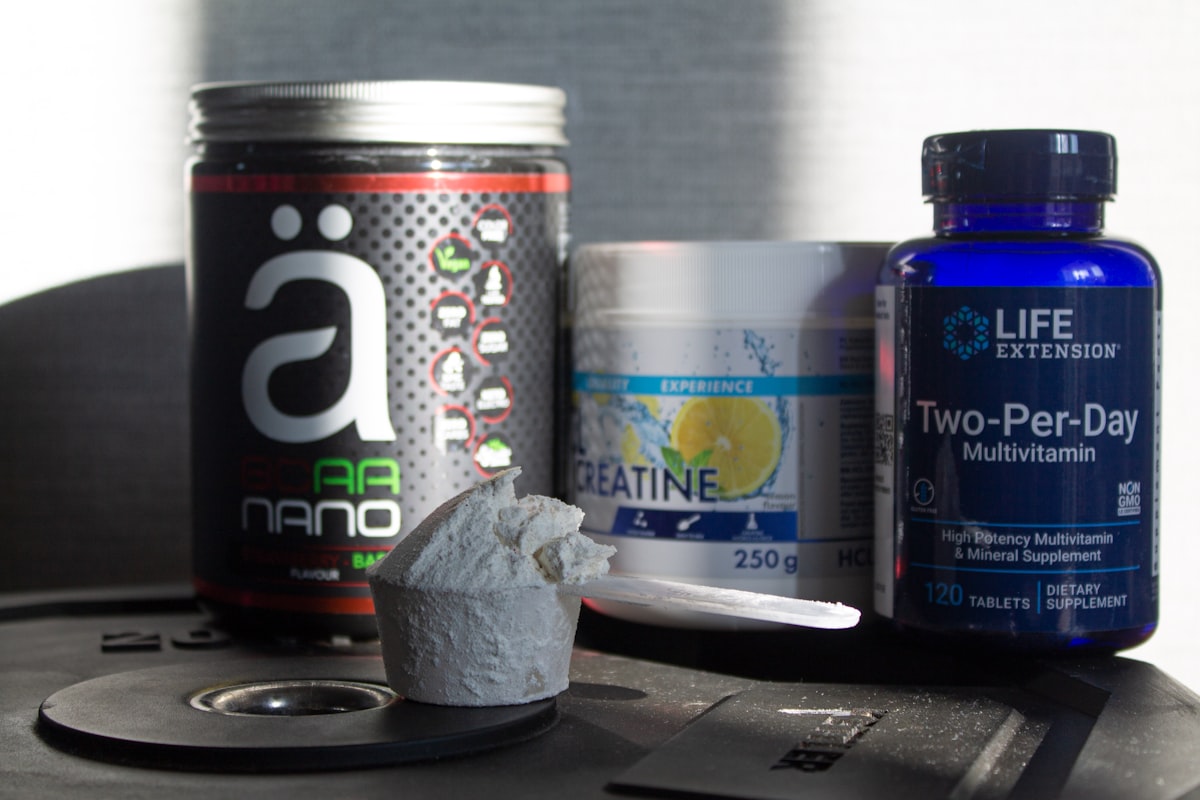
Why Nutrition Matters for Athletes
Proper nutrition is the foundation of athletic performance. It directly impacts your strength, endurance, mental focus, and ability to train consistently without fatigue.

Energy Optimisation
The right macronutrient balance ensures your muscles have constant fuel for intense training sessions and competitive events.
Muscle Recovery & Growth
Strategic protein intake and micronutrient timing accelerate muscle repair and development between training sessions.
Mental Clarity & Focus
Brain function depends on stable blood sugar and adequate micronutrients. Better nutrition means sharper decision-making on the field.
Injury Prevention & Immunity
Proper nutrition strengthens bones, joints, and immune function, reducing injury risk and keeping you training year-round.
Core Nutrition Pillars for Athletes
Master these fundamental nutritional components to unlock your full athletic potential.
Macronutrients
Carbohydrates, proteins, and fats form the energy backbone of athletic nutrition. Learn optimal ratios for your sport and training phase.
Micronutrients
Vitamins and minerals regulate muscle function, bone health, and immune response. Discover which ones matter most for athletes.
Hydration Strategy
Fluid balance affects performance, endurance, and recovery. Learn when, how much, and what to drink before, during, and after training.
Meal Timing
When you eat is as important as what you eat. Pre-workout, intra-workout, and post-workout nutrition windows explained.
Real Food vs Supplements
Understand the role of whole foods, supplements, and sports nutrition products in a comprehensive athletic diet plan.
Performance Nutrition
Sport-specific nutrition strategies for endurance, strength, team sports, and individual disciplines to maximise results.
Your Personalised Nutrition Journey
Assess Your Goals
Define your athletic objectives—whether you're training for strength, endurance, speed, or overall fitness—and understand your current nutritional baseline.
Calculate Your Needs
Determine your caloric requirements, macronutrient targets, and micronutrient priorities based on your sport, training intensity, and body composition goals.
Plan Your Meals
Build practical, sustainable meal plans that fit your training schedule, food preferences, and lifestyle while meeting all nutritional targets.
Monitor & Adjust
Track your progress, learn how your body responds, and refine your nutrition strategy based on performance metrics and how you feel.
Meal Prep & Performance Insights
Explore practical meal preparation techniques and real-world examples of nutrition in action.
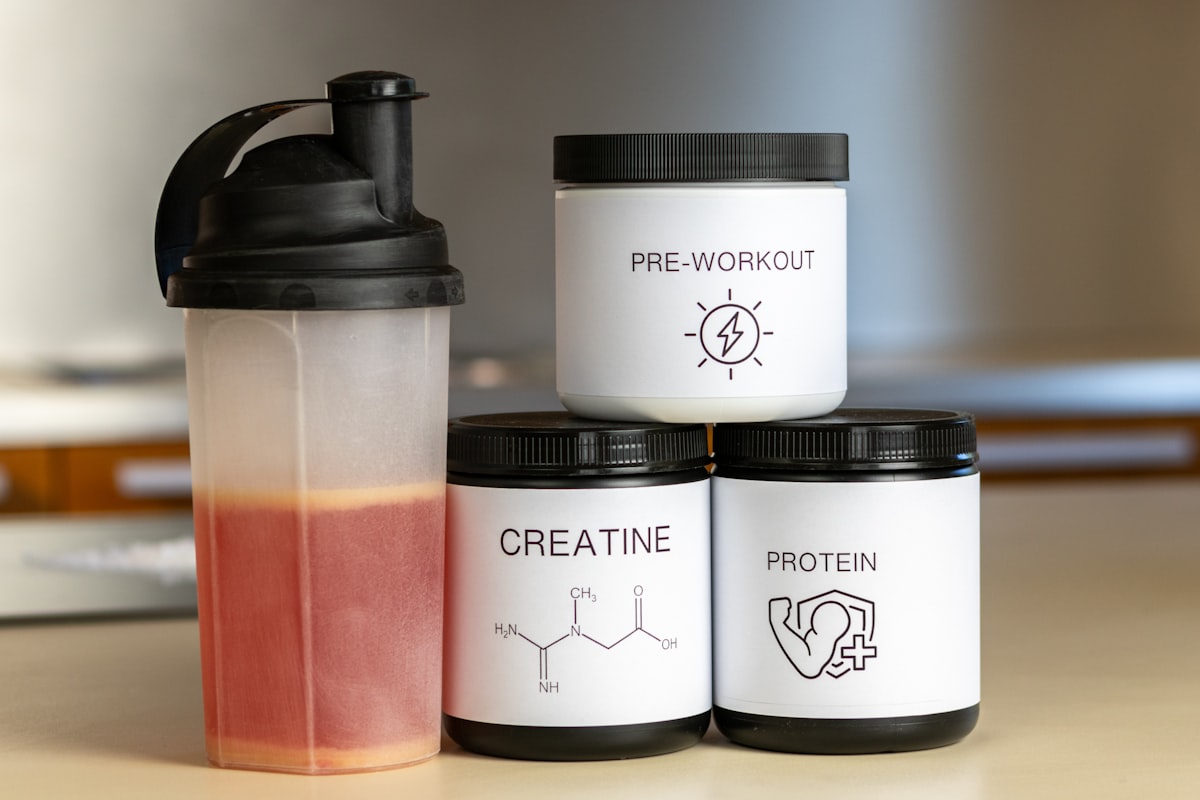
Pre-Workout Meal Prep
Discover timing and composition strategies to fuel your training sessions effectively.
Recovery Nutrition Window
Learn why the post-training window matters and what optimal recovery meals contain.

Weekly Meal Planning
Master batch cooking and meal prep systems that save time without sacrificing nutrition.

Sport-Specific Strategies
Tailored nutrition approaches for different sports and training demands.
Common Athletic Nutrition Questions
Find answers to the most frequently asked questions about nutrition for athletes.
The general recommendation is 1.2 to 2.0 grams of protein per kilogram of body weight per day, depending on your sport and training intensity. Endurance athletes typically need 1.2–1.4g/kg, while strength and power athletes benefit from 1.6–2.0g/kg. This protein supports muscle repair, enzyme production, and immune function. Distribution matters too—aim for 20–30g of protein at each meal rather than loading it all at dinner.
Pre-workout meals should combine carbohydrates and some protein, consumed 2–3 hours before training. Examples include oatmeal with berries and Greek yoghurt, a banana with almond butter, or toast with scrambled eggs. If you're training within an hour, a lighter option like a banana or sports drink works better. The goal is to provide steady energy without causing digestive discomfort. Individual tolerance varies, so experiment during training rather than on competition day.
No—carbohydrates are essential fuel for athletic performance. They're your primary energy source for high-intensity exercise and critical for brain function, muscle glycogen storage, and recovery. Choose quality carbs like whole grains, fruits, vegetables, and legumes. Timing matters: eat most of your carbs around training sessions when your muscles are primed to absorb them. Low-carb diets may suit some endurance scenarios, but most athletes perform better with adequate carbohydrate intake.
Hydration is critical—even 2% dehydration impairs performance, strength, and focus. Most athletes should drink water consistently throughout the day, not just during training. During exercise lasting over an hour, consume 6–8% carbohydrate electrolyte sports drinks to maintain energy and fluid balance. After training, drink 150% of fluid lost (150ml per 100g of sweat) over 4–6 hours to rehydrate properly. Individual sweat rates vary, so monitor urine colour and body weight changes to assess hydration status.
A well-planned whole-food diet covers most athletic nutritional needs. However, some supplements can support performance when used strategically: protein powder for convenience, creatine for strength training, beta-alanine for high-intensity efforts, or caffeine for focus. Others like carbohydrate gels are practical during long endurance events. Always prioritise whole foods first, consider supplementing only for specific gaps, and consult resources on supplement safety and banned substances in your sport.
Endurance sports (running, cycling, swimming) demand higher carbohydrate intake and focus on fuel during activity. Strength sports (weightlifting, rugby) prioritise protein and total energy intake with emphasis on timing. Team sports require balanced macronutrients and excellent hydration for repeated high-intensity efforts. Combat sports may involve strategic weight management. Start with foundational principles—adequate total calories, sufficient protein, and consistent carbohydrates—then modify based on training demands, body composition goals, and how your body responds.
Athlete Success Stories
Real athletes share how proper nutrition transformed their performance. Note: Individual results may vary.
"I've been training competitively for eight years, but I never realised how much my nutrition was holding me back. After learning about proper macronutrient timing and meal planning, my recovery improved dramatically, my energy during training was completely different, and I actually set personal records I'd been chasing for years. The nutrition guides from Nutrientbalancecore gave me a structured approach that actually made sense and was easy to follow. This is the kind of knowledge every serious athlete needs."
Sarah Mitchell
Long-distance Runner, Liverpool
"As a rugby player, I needed to build muscle and maintain power during season. The sport-specific nutrition guidance showed me exactly how to structure my meals around training days versus match days. My performance improved, my recovery times decreased, and the whole team noticed the difference. Clear, practical, and actually backed by science rather than marketing hype."
James Crawford
Rugby Union Player, Manchester
"I was struggling with energy crashes during my cycling sessions and didn't understand why. The detailed breakdown of carbohydrate timing for endurance training was eye-opening. I adjusted my fuelling strategy and my performance on longer rides improved significantly. The meal prep examples made it realistic and sustainable. Highly recommend for any endurance athlete serious about their performance."
Elena Rossi
Competitive Cyclist, Leeds
"I'm a weightlifter who thought nutrition was just 'eat protein.' The comprehensive guides showed me how calories, carbs, and fats all work together for strength gains and body composition. The step-by-step approach made it easy to implement without feeling overwhelmed. Been following the principles for six months and the results speak for themselves. Best investment in my athletic development."
Marcus Thompson
Strength Athlete, Birmingham
Start Your Nutrition Transformation Today
Explore our comprehensive nutrition guides, meal planning resources, and athlete-focused articles. Discover the evidence-based strategies that will elevate your performance and keep you training at your best.